
Modern life has become increasingly fast-paced. People manage work, education, family responsibilities, social commitments, financial decisions, and digital communication every day. While technology has made many activities easier, constantly staying connected can also make it difficult to slow down and create time for rest.
As a result, conversations around mental wellness and balanced lifestyles have become more common. People are paying greater attention to relaxation, healthy routines, social connections, hobbies, sleep, physical activity, and personal time.
Mental wellness is not simply about avoiding problems. It also involves developing habits and environments that support emotional balance, healthy relationships, self-awareness, and the ability to handle everyday challenges.
Understanding Mental Wellness
Mental wellness refers to the overall state of a person's emotional and psychological well-being.
It can influence how people respond to everyday situations, interact with others, manage responsibilities, and approach challenges.
Mental Wellness Is Part of Overall Well-Being
Physical and mental well-being are often connected.
Daily habits such as sleep, physical activity, nutrition, social interaction, and relaxation can influence how people feel and function.
A balanced lifestyle therefore considers different areas of life rather than focusing on only one aspect.
Everyone Experiences Different Challenges
People have different responsibilities, personalities, environments, and life experiences.
Because of this, there is no single routine that works for everyone.
A healthy lifestyle should be practical and appropriate for individual circumstances.
The Importance of Healthy Daily Routines
A structured daily routine can provide a sense of stability.
Creating a Balanced Schedule
A routine can include time for work or study, meals, physical activity, social interaction, hobbies, and rest.
Planning these activities can help people avoid allowing one responsibility to consume the entire day.
Avoiding an Overloaded Schedule
A productive schedule does not mean filling every available minute.
Leaving some space between activities can provide time to rest, manage unexpected situations, and transition from one task to another.
The Role of Sleep
Sleep is an essential part of a balanced lifestyle.
Maintaining a Regular Sleep Schedule
Going to bed and waking up at relatively consistent times can support a stable daily routine.
Individual sleep needs vary, but most adults require several hours of quality sleep each night.
Creating a Relaxing Evening Routine
Reducing stimulating activities before bedtime may help some people prepare for sleep.
A quiet environment, comfortable sleeping space, and consistent nighttime habits can support better rest.
People experiencing persistent sleep difficulties should consider discussing them with a qualified healthcare professional.
Physical Activity and Mental Wellness
Movement is another important part of a balanced lifestyle.
Choosing Enjoyable Activities
People are more likely to maintain physical activity when they enjoy what they are doing.
Walking, cycling, swimming, dancing, sports, yoga, stretching, and strength exercises are examples of activities people may choose.
Taking Breaks From Sedentary Activities
People who spend long periods sitting for work or study can benefit from taking regular movement breaks.
Standing, stretching, or walking for a few minutes can provide a useful change from prolonged sitting.
The Importance of Social Connections
Human beings naturally seek social connection.
Spending Time With Family and Friends
Regular conversations and shared activities can provide opportunities for connection.
Even simple activities such as having a meal together, taking a walk, or talking over the phone can help maintain relationships.
Building Supportive Communities
Community groups, clubs, educational activities, sports teams, and volunteer organizations can provide opportunities to meet people with similar interests.
Positive social environments can contribute to a stronger sense of belonging.
Digital Technology and Mental Wellness
Technology provides many benefits, but constant digital engagement can affect daily routines.
Managing Screen Time
People may spend significant amounts of time using smartphones, computers, streaming services, and social media.
Taking intentional breaks from screens can create opportunities for other activities.
Creating Technology-Free Moments
Meals, walks, conversations, and relaxation periods can sometimes be more enjoyable when devices are put aside.
Small breaks from notifications can help people focus on the activity in front of them.
Social Media and Comparison
Social media allows people to connect and discover information, but it can also encourage comparisons.
Online Content Does Not Show the Complete Picture
People usually share selected moments online.
Photographs and posts may not represent the challenges, failures, or ordinary parts of someone's life.
Remembering this can help users maintain realistic expectations.
Following Positive Content
Users can choose to follow accounts that provide useful, educational, creative, or inspiring content.
Unfollowing or muting content that consistently creates unnecessary stress can also help create a healthier digital environment.
Hobbies and Personal Interests
Hobbies can provide valuable opportunities for relaxation and creativity.
Finding Time for Activities
Reading, painting, gardening, cooking, music, photography, writing, crafts, and sports are examples of hobbies people may enjoy.
These activities can provide a break from professional or academic responsibilities.
Creativity Can Support Relaxation
Creative activities encourage people to focus on the process rather than constantly thinking about productivity.
Completing a small creative project can also provide a sense of accomplishment.
The Importance of Taking Breaks
Continuous work does not always lead to better productivity.
Short Breaks Can Refresh Attention
Stepping away from a task for a short period can provide an opportunity to relax and return with renewed attention.
People can use breaks to stretch, drink water, walk, or simply rest.
Vacations and Longer Breaks
Longer breaks can also provide opportunities to disconnect from work and explore different environments.
Travel, visiting family, spending time in nature, or simply staying home can all be ways to take a meaningful break.
Managing Work and Personal Life
Maintaining boundaries between work and personal time can be challenging.
Setting Clear Working Hours
People working remotely may find it difficult to separate professional and personal activities.
Having defined working hours can help create a clearer transition between work and leisure.
Avoiding Constant Work Communication
Where practical, people can avoid checking work-related messages continuously outside working hours.
Clear communication with colleagues can help establish reasonable expectations.
Mindfulness and Relaxation
Mindfulness involves paying attention to the present moment rather than constantly focusing on past events or future possibilities.
Simple Mindfulness Practices
People may practice mindful breathing, quiet reflection, meditation, or simply paying close attention while walking, eating, or completing everyday activities.
There is no single method that works for everyone.
Creating Quiet Time
Even a few minutes of quiet time can provide a break from constant information and communication.
Some people prefer silence, while others may choose calm music, reading, or spending time outdoors.
The Role of Nutrition
Food is an important part of everyday well-being.
Balanced Meals
A varied diet that includes vegetables, fruits, whole grains, protein sources, and other nutrient-rich foods can support overall health.
Eating patterns should reflect individual nutritional needs and cultural preferences.
Avoiding Extreme Approaches
Healthy eating does not need to involve extreme restrictions.
A sustainable approach generally focuses on balance, variety, and moderation.
People with specific nutritional or medical requirements should seek advice from qualified healthcare professionals.
Creating a Positive Environment
The spaces people spend time in can influence their daily experiences.
Organizing Personal Spaces
A clean and organized environment can make everyday tasks easier.
People can arrange their homes or workspaces according to their needs and preferences.
Spending Time in Natural Surroundings
Parks, gardens, beaches, forests, and other outdoor environments can provide opportunities for relaxation.
Even a short walk outdoors can provide a change of scenery from indoor environments.
Mental Wellness in the Workplace
Employers also have an important role in creating healthy work environments.
Encouraging Reasonable Work Practices
Clear responsibilities, manageable workloads, respectful communication, and appropriate breaks can contribute to a healthier workplace culture.
Supporting Employees
Organizations can provide resources and policies that encourage employees to seek support when needed.
Creating an environment where people can discuss challenges respectfully can also contribute to workplace well-being.
The Importance of Self-Awareness
Understanding personal needs is an important part of maintaining balance.
Recognizing Personal Limits
People may sometimes take on more responsibilities than they can reasonably manage.
Recognizing limits can help individuals make better decisions about time and commitments.
Understanding What Helps You Recharge
Different people relax in different ways.
One person may enjoy social activities, while another may prefer reading or spending time alone.
Identifying personally meaningful activities can help people create more sustainable routines.
When Professional Support May Be Helpful
Everyday stress is common, but persistent or overwhelming emotional difficulties should not be ignored.
If someone is struggling with ongoing emotional distress, major changes in daily functioning, or other concerns, speaking with a qualified mental health professional can be an appropriate step.
Seeking professional support is a practical form of self-care and should not be viewed as a weakness.
Building a Sustainable Lifestyle
A balanced lifestyle does not require perfection.
Focus on Small Improvements
People can begin with manageable changes.
Going for a short walk, improving sleep habits, reconnecting with a friend, taking regular breaks, or spending less time on unnecessary screen activity can be useful starting points.
Consistency Matters More Than Perfection
Missing a workout, having a busy day, or breaking a routine occasionally does not mean that all progress is lost.
Long-term habits are built through repeated efforts rather than perfect performance every day.
Conclusion
Mental wellness and balanced living have become increasingly important in modern society. Busy schedules, digital communication, professional responsibilities, and constant access to information can make it difficult to create enough time for rest and personal activities.
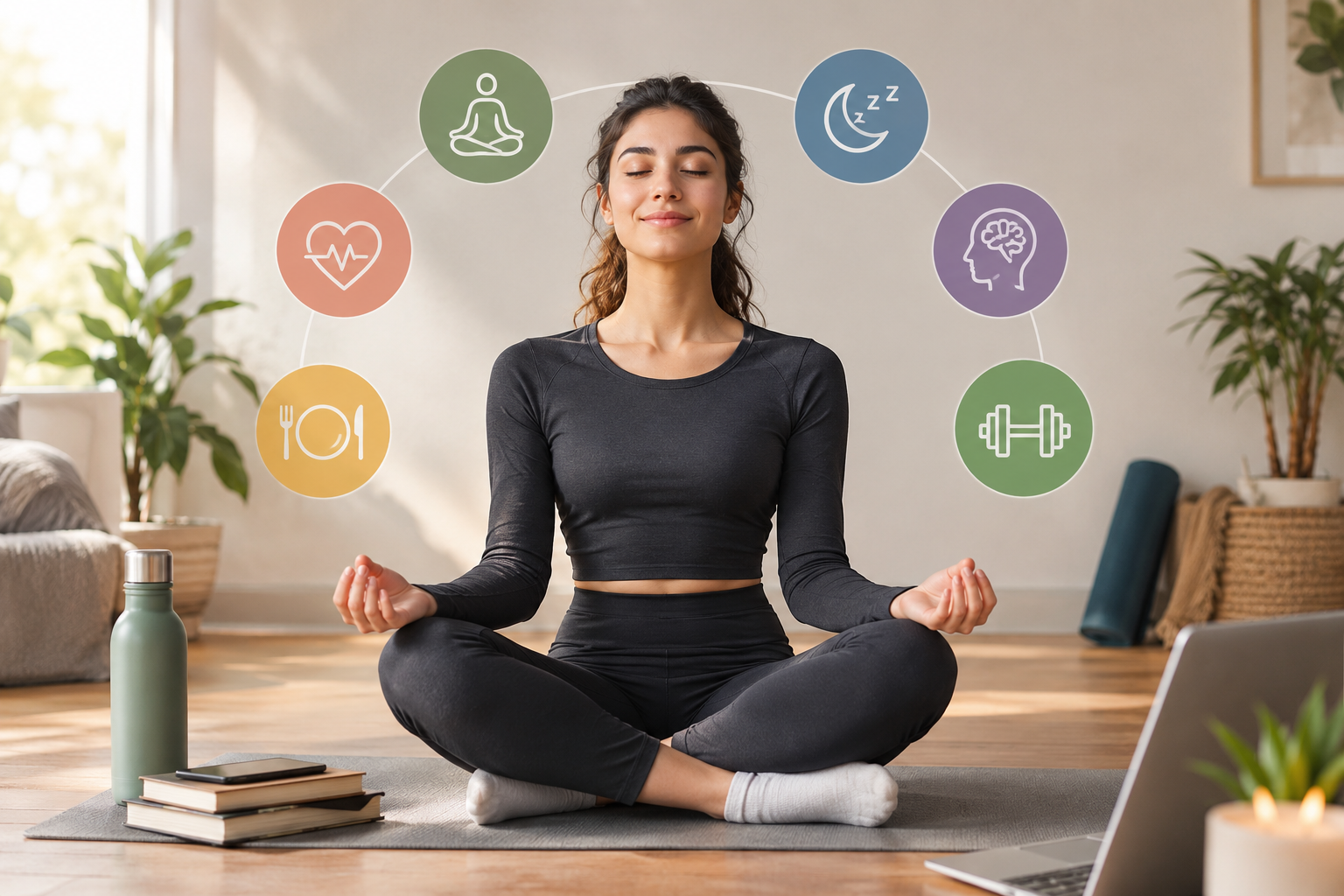
A balanced lifestyle can include regular movement, sufficient sleep, nutritious food, meaningful relationships, hobbies, breaks, digital boundaries, and time for relaxation.
There is no universal definition of a perfect lifestyle. What matters is creating routines that are realistic, sustainable, and appropriate for individual circumstances.
Small changes can gradually become meaningful habits. By paying attention to personal needs, maintaining healthy boundaries, staying connected with supportive people, and seeking professional help when necessary, individuals can take practical steps toward better overall well-being.
In the future, mental wellness is likely to remain an important part of conversations about education, workplaces, technology, lifestyle, and personal development. The goal is not to create a life without challenges, but to develop healthy ways of responding to them while making room for rest, connection, growth, and everyday enjoyment.