
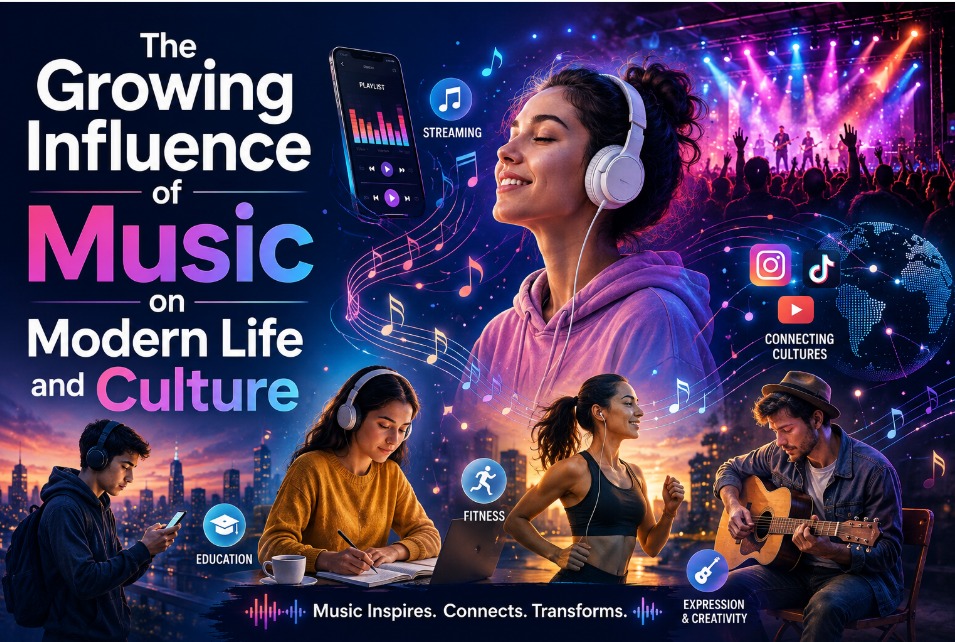
Music has been a part of human civilization for centuries. From traditional folk songs and classical compositions to modern pop, rock, hip-hop, electronic music, and independent sounds, music continues to evolve with society. It is present in celebrations, films, festivals, social gatherings, personal moments, and everyday routines.
In the digital age, music has become more accessible than ever. People can discover artists from different countries, create personalized playlists, attend virtual performances, and explore new genres through streaming platforms and social media. At the same time, technology has changed how musicians create, distribute, promote, and perform their work.
Music is much more than entertainment. It can influence emotions, preserve cultural traditions, bring communities together, and provide artists with opportunities to communicate with audiences around the world.
Understanding the Importance of Music
Music is a universal form of creative expression. Although musical styles differ across cultures, the basic human connection with rhythm, melody, and sound can be found almost everywhere.
Music Communicates Emotions
People often listen to music according to their mood.
A calm song may help create a peaceful atmosphere, while an energetic track can make a workout or celebration feel more exciting.
Music can also accompany important personal moments, such as weddings, festivals, journeys, achievements, and memories.
Music Creates Memories
Certain songs can remind people of specific periods in their lives.
A song heard during school years, a family celebration, a memorable trip, or an important event can remain connected with that memory for many years.
This emotional connection is one reason music remains such a powerful part of everyday life.
The Evolution of Music Through Technology
Technology has continuously influenced the way people experience music.
From Physical Formats to Digital Platforms
Music consumption has changed from records and cassette tapes to CDs, digital downloads, and streaming services.
Today, listeners can access enormous music libraries through smartphones and other connected devices.
This has made music more convenient and portable.
Music Is Available Almost Anywhere
People can listen to music while traveling, studying, exercising, cooking, or relaxing.
Portable devices have transformed music into an everyday companion rather than an activity limited to a specific location.
Streaming Has Changed Music Consumption
Music streaming has become an important part of the modern entertainment industry.
Personalized Playlists
Digital platforms can organize songs into playlists based on genres, moods, artists, activities, or listening preferences.
Listeners can discover new music without searching for every song individually.
Discovering Emerging Artists
Streaming platforms can also help independent musicians reach new audiences.
An artist does not always need access to traditional radio or major physical distribution networks to share music.
Digital distribution can provide opportunities to reach listeners in different cities and countries.
Social Media Is Helping Artists Build Audiences
Social media has become an important promotional tool for musicians.
Short Videos Can Introduce New Songs
A short video featuring part of a song can attract attention and encourage people to listen to the complete track.
This has created new opportunities for emerging artists to promote their music.
Direct Interaction With Fans
Musicians can communicate with fans through posts, live sessions, behind-the-scenes content, and personal updates.
This direct connection can help artists build communities around their music.
Independent Musicians Are Gaining Opportunities
The digital environment has made it easier for independent musicians to produce and distribute their work.
Lower Barriers to Music Production
Modern recording software, affordable microphones, digital instruments, and editing tools allow musicians to create music without requiring a large traditional studio.
Artists can experiment with different sounds and develop their own styles.
Building a Personal Identity
Independent artists can create a recognizable identity through their music, visuals, performances, and online presence.
This can help them stand out in a competitive entertainment environment.
Music and Cultural Heritage
Music plays a major role in preserving cultural traditions.
Traditional songs, instruments, rhythms, and musical forms often carry stories about communities and their histories.
Passing Traditions to New Generations
Traditional music can introduce younger generations to cultural practices.
Schools, cultural organizations, festivals, artists, and families can all contribute to preserving musical traditions.
Combining Tradition With Modern Sounds
Many contemporary musicians experiment by combining traditional instruments and melodies with modern production techniques.
This can create fresh sounds while maintaining connections with cultural heritage.
Music in Movies and Television
Music is an essential part of visual storytelling.
A carefully selected song or background score can influence how audiences experience a scene.
Creating Emotional Impact
Music can make a dramatic scene feel more emotional, an action sequence more energetic, or a romantic moment more memorable.
Film composers and music directors work closely with filmmakers to create sounds that complement the story.
Songs Can Become Part of Popular Culture
Songs from films and television programs can become widely recognized beyond the original production.
They may appear on playlists, social media, concerts, and public events.
Music and Live Entertainment
Live performances remain an important part of the music industry.
Concerts, festivals, cultural programs, and music events allow audiences to experience performances in person.
The Energy of Live Performances
Listening to a song through headphones is different from hearing it performed in front of a large audience.
Live events can create a shared atmosphere where thousands of people experience the same music together.
Music Festivals Bring Communities Together
Music festivals often feature multiple artists and genres.
They can also create opportunities for audiences to discover new musicians while enjoying food, art, fashion, and other forms of entertainment.
Music and Personal Productivity
Many people use music while studying, working, or completing routine tasks.
Background Music Can Improve the Atmosphere
Some individuals prefer soft instrumental music while reading or working.
Others may enjoy energetic playlists during physical activities.
The most suitable music depends on personal preference and the type of task being performed.
Music and Exercise
Music is particularly popular during workouts.
Energetic songs can make exercise sessions feel more engaging and enjoyable.
People often create playlists specifically for running, cycling, gym workouts, dancing, or other physical activities.
Music Education and Skill Development
Learning music can provide educational and creative opportunities.
Learning an Instrument
Playing an instrument requires practice, patience, coordination, and concentration.
Students who learn instruments can develop musical knowledge while also experiencing the satisfaction of improving through regular practice.
Singing and Performance
Singing can help people explore rhythm, melody, pronunciation, and vocal expression.
Performance opportunities can also encourage confidence and communication skills.
The Growth of Music Production as a Career
Modern music has created opportunities beyond traditional singing and instrumental performance.
New Roles in the Industry
The music industry includes producers, sound engineers, composers, lyricists, DJs, session musicians, managers, marketers, photographers, videographers, and content creators.
This means people with different skills can contribute to music-related projects.
Digital Skills Are Becoming Valuable
Music professionals increasingly use software for recording, editing, mixing, mastering, distribution, and promotion.
Understanding digital tools can therefore be useful for modern musicians and producers.
Artificial Intelligence and Music
Artificial intelligence is becoming part of discussions around music production and creativity.
AI-based tools can assist with certain production, editing, arrangement, and experimentation tasks.
New Creative Possibilities
Technology can help musicians experiment with sounds and production ideas.
It may also support repetitive technical processes and provide new ways to explore musical concepts.
Human Creativity Remains Important
Music is deeply connected to human experience, culture, emotion, and personal expression.
Technology can provide tools, but artistic direction and creative decisions remain important.
The future of music will likely involve a combination of human creativity and increasingly advanced technology.
Challenges in the Modern Music Industry
The digital music environment provides opportunities but also creates challenges.
Competition for Attention
Listeners have access to an enormous amount of music.
New artists may find it difficult to gain visibility because they are competing with established musicians and thousands of other releases.
Maintaining a Sustainable Career
Building a successful music career requires more than producing songs.
Artists often need to manage promotion, branding, performances, audience engagement, collaborations, and business responsibilities.
Consistency and long-term planning can therefore be important.
The Role of Music Communities
Music often brings people together.
Fans of a particular artist or genre can form online and offline communities.
Shared Interests Create Connections
People may meet through concerts, fan communities, music clubs, educational programs, or online discussions.
Music can create connections between individuals who may otherwise have very little in common.
Supporting Local Artists
Audiences can contribute to local music communities by attending performances, purchasing music or merchandise, sharing artists' work, and participating in cultural events.
This support can help emerging musicians continue developing their careers.
The Future of Music
The music industry will continue to evolve as technology and audience behavior change.
Streaming, social media, immersive concerts, artificial intelligence, digital production, and new distribution models may influence how music is created and experienced.
At the same time, traditional concerts, instruments, live singing, cultural music, and personal songwriting will remain important.
The future may bring new formats, but people will continue to connect with music because of its emotional and cultural value.
Conclusion
Music remains one of the most influential forms of creative expression in modern society. It entertains people, preserves traditions, creates memories, supports storytelling, and brings communities together.
Technology has made music easier to create, distribute, discover, and enjoy. Streaming platforms and social media have opened opportunities for independent artists, while digital production tools have changed the creative process.
At the same time, traditional music and live performances continue to hold an important place in culture.
As the music industry continues to evolve, its future will likely combine technological innovation with the timeless qualities that make music meaningful: creativity, emotion, storytelling, rhythm, and human connection.
Whether someone listens to music while working, attends a concert with friends, learns an instrument, or discovers a new artist online, music continues to be a powerful part of everyday life and an important reflection of changing society.