Introduction
Education in India is entering a period of significant transformation. For generations, classrooms were largely defined by textbooks, blackboards, lectures and examinations. While these traditional methods continue to play an important role, the rapid development of digital technology has introduced new ways of teaching, learning and assessing students.
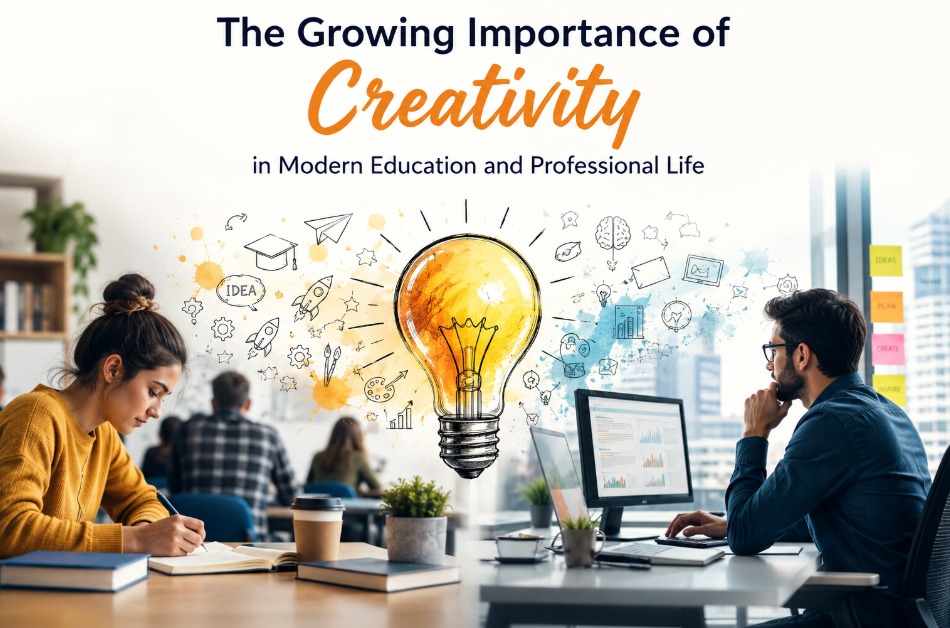
From online learning platforms and smart classrooms to artificial intelligence and personalised educational tools, technology is changing how knowledge is delivered and accessed. At the same time, educators and institutions are placing greater emphasis on practical skills, critical thinking, creativity and adaptability.
The future of education is therefore unlikely to be defined by technology alone. Instead, it will depend on how effectively technology, teachers, students and educational institutions work together.
Technology Is Expanding Access to Learning
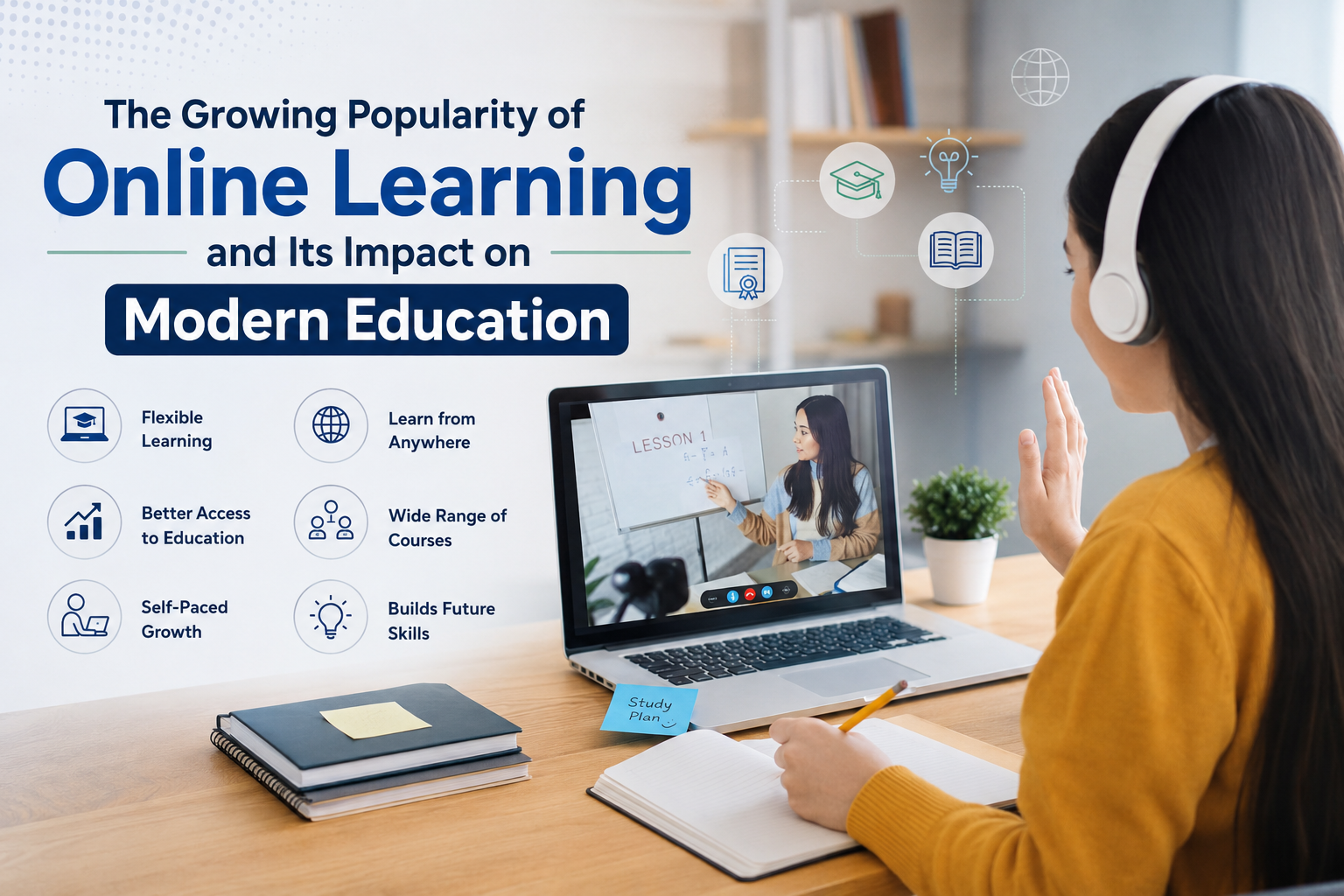
One of the most significant changes brought by technology is the ability to access educational resources beyond the physical classroom. Students can now use digital platforms to attend lectures, access study materials, watch educational videos and participate in virtual discussions.
This has created opportunities for learners who may not have easy access to specialised teachers or institutions in their immediate surroundings. Students in smaller cities and rural areas can increasingly access courses and resources created by educators from different parts of the country.
Digital education has also made learning more flexible. Students can revisit recorded lessons, study at their own pace and use multiple resources to understand difficult concepts.
The Classroom Is Becoming More Interactive
Technology is also changing what happens inside classrooms. Smart boards, digital presentations, simulations and interactive learning applications can make lessons more engaging.
Instead of simply reading about scientific processes or historical events, students can sometimes explore them through visual simulations and interactive activities. This can help learners understand complex ideas more effectively.
However, technology should complement rather than replace teachers. A skilled educator remains essential for explaining concepts, encouraging discussion, identifying student difficulties and creating an environment where learners feel comfortable asking questions.
Personalised Learning Is Gaining Importance
Every student learns differently. Some may understand a concept quickly, while others may require additional explanations or practice. Traditional classroom structures can make it difficult for teachers to provide completely individualised attention to every learner.
Digital learning tools can help address this challenge. Educational platforms can track progress, identify areas where students are struggling and recommend additional exercises or resources.
Artificial intelligence may further expand these possibilities by helping create personalised learning pathways. However, such systems need to be implemented responsibly and should support teachers rather than reduce education to automated assessments.
Skills Are Becoming as Important as Qualifications
The changing employment landscape is also influencing education. Employers increasingly look for candidates who can communicate effectively, solve problems, work collaboratively and adapt to new technologies.
As a result, educational institutions are placing greater emphasis on practical learning. Projects, internships, presentations, research activities and industry exposure can help students connect theoretical knowledge with real-world situations.
Digital skills are becoming particularly important. Students entering almost any professional field are likely to encounter technology in some form, making basic digital literacy increasingly essential.
Teachers Are Adapting to New Roles
The role of teachers is changing alongside the learning environment. Educators are no longer the only source of information available to students. Learners can find enormous amounts of information online within seconds.
This means teachers increasingly serve as mentors, facilitators and guides. Their role includes helping students evaluate information, distinguish reliable sources from misinformation and apply knowledge meaningfully.
Professional development is therefore important. Teachers need opportunities to understand emerging technologies and new teaching approaches while maintaining the human connection that remains central to education.
The Challenge of the Digital Divide
Despite the advantages of digital education, access remains uneven. Not every student has reliable internet connectivity, suitable devices or a quiet environment for online learning.
This digital divide can create new inequalities if technology becomes an essential part of education without adequate support for disadvantaged learners.
Educational institutions, governments and technology providers therefore need to consider affordability, accessibility and infrastructure when developing digital learning systems.
Rethinking Assessment
Technology is also creating opportunities to rethink traditional examinations. Digital assessments, project-based evaluation and continuous feedback can provide educators with a broader understanding of student performance.
Rather than measuring learning through a single examination, institutions can evaluate students through assignments, presentations, practical work and problem-solving exercises.
Such approaches may encourage deeper learning and reduce excessive dependence on memorisation.
Conclusion
The future of education in India will likely combine the strengths of traditional teaching with the opportunities created by technology. Digital platforms can expand access, personalised tools can support individual learning and practical education can prepare students for changing professional environments.
Yet technology alone cannot transform education. Teachers, institutions and policymakers must ensure that innovation remains inclusive, purposeful and focused on student development.
The most effective education system will not simply teach students what to know. It will help them learn how to think, how to adapt and how to continue learning throughout their lives.