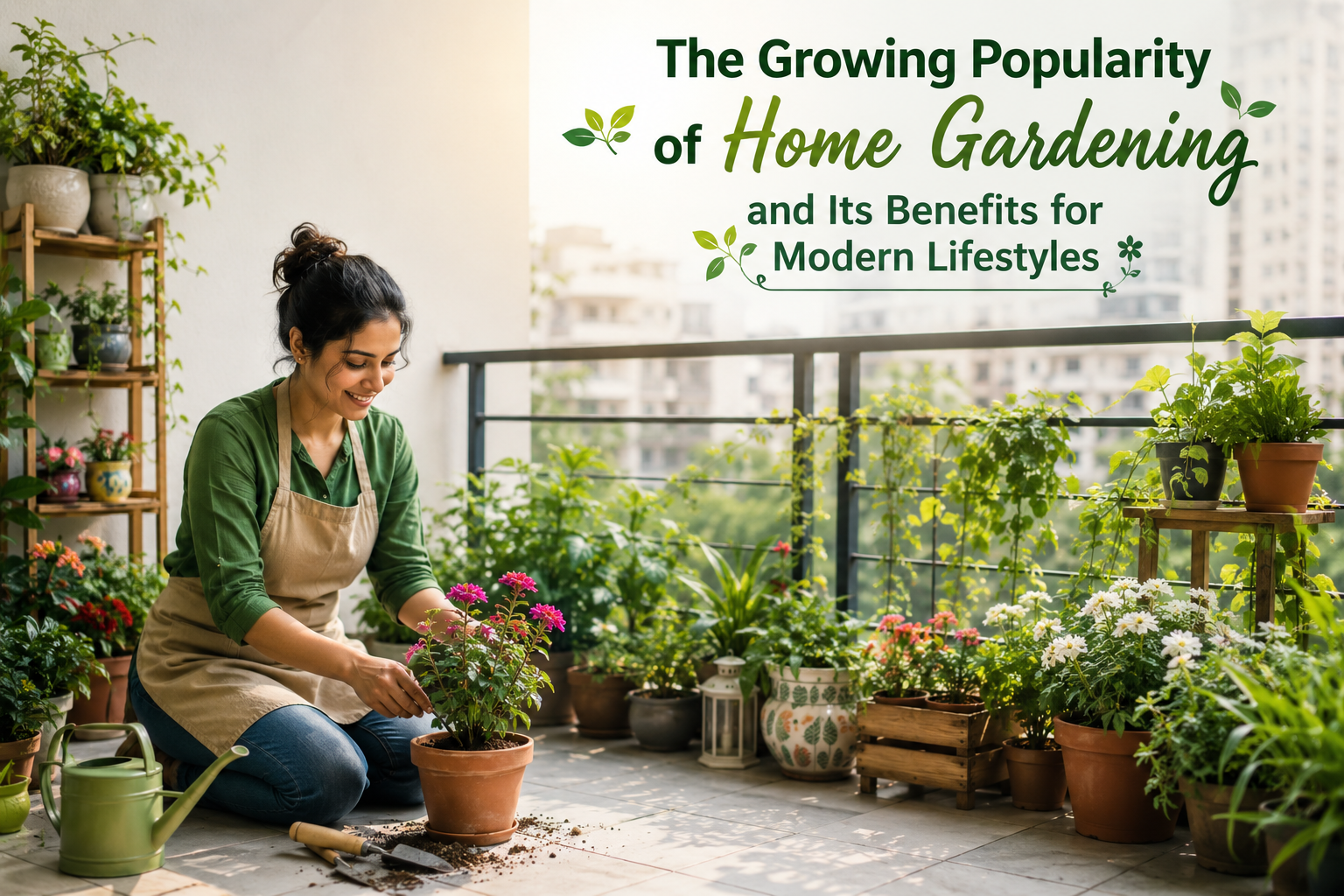
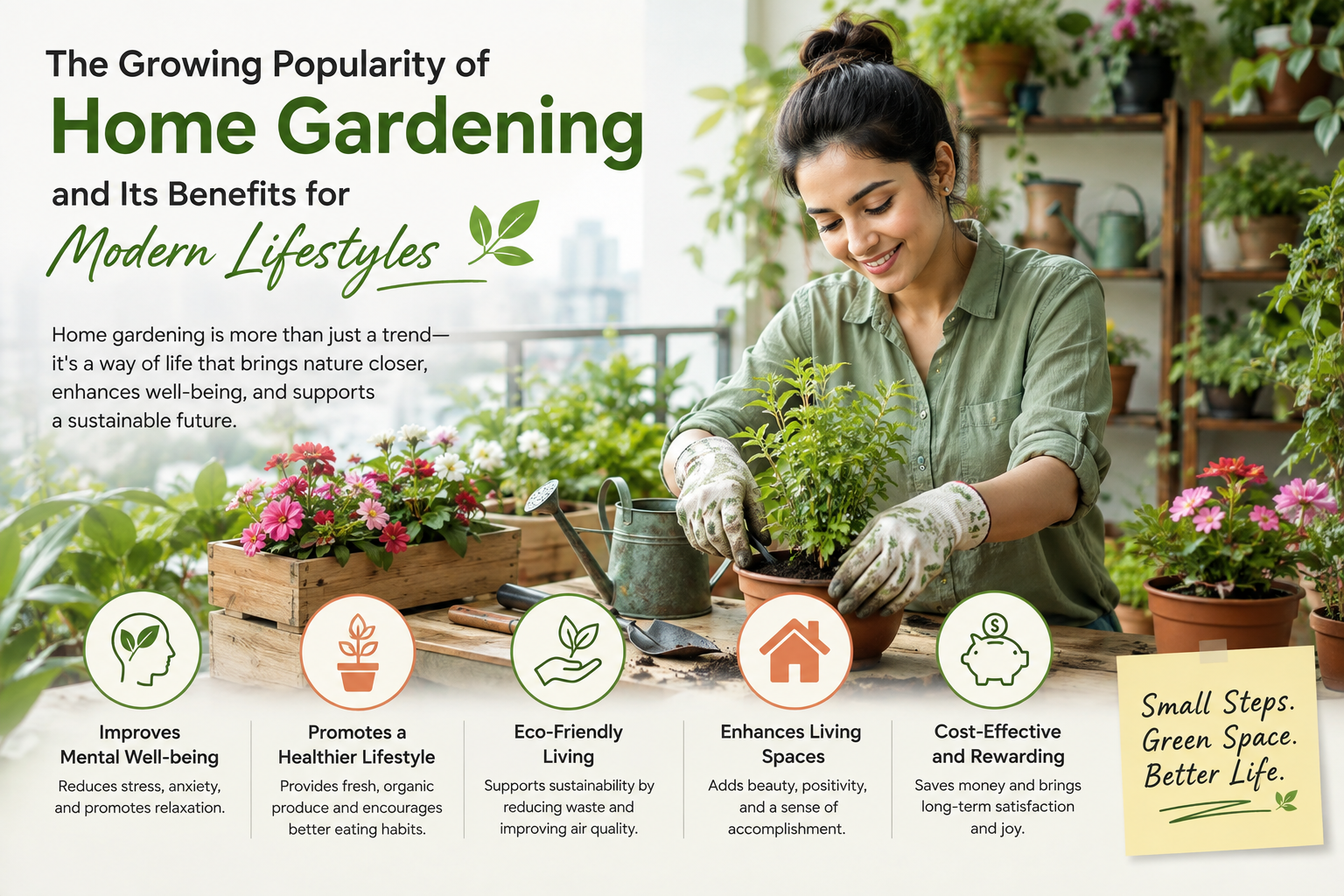
Home gardening has become an increasingly popular activity among people living in both urban and rural areas. In a world where many individuals spend long hours working indoors and surrounded by digital devices, gardening offers an opportunity to reconnect with nature and create a more refreshing home environment.
A garden does not necessarily require a large outdoor space. People living in apartments can grow herbs, flowers, vegetables, and small plants on balconies, windowsills, rooftops, or indoor shelves. With the right planning, even a small space can become a productive and attractive green corner.
The popularity of home gardening is also connected with growing interest in healthier lifestyles, sustainable living, home decoration, and outdoor hobbies. For many people, gardening is more than a way to grow plants. It is an enjoyable activity that can bring routine, creativity, and a sense of accomplishment into everyday life.
Understanding Home Gardening
Home gardening involves growing and caring for plants in or around a residential space. Depending on the available area, people can choose ornamental plants, herbs, vegetables, fruits, flowers, or indoor greenery.
Gardening Can Fit Different Lifestyles
People often assume that gardening requires a large backyard. In reality, gardening can be adapted to different living arrangements.
Someone living in a house may create a traditional garden, while an apartment resident can use pots, containers, hanging planters, or vertical gardening systems.
The type of garden depends on available space, sunlight, climate, time, and personal preferences.
Gardening Can Be a Creative Activity
Gardening provides many opportunities for creativity.
People can choose different containers, arrange plants according to color and size, design small decorative corners, and experiment with combinations of flowers and greenery.
This makes gardening both a practical and artistic hobby.
The Benefits of Growing Plants at Home
Home gardening can provide several lifestyle benefits.
Creating a Greener Environment
Plants can make indoor and outdoor spaces feel more pleasant.
A collection of green plants can add natural beauty to balconies, terraces, gardens, and rooms.
People often find that greenery makes their surroundings feel more welcoming and refreshing.
Growing Fresh Herbs and Vegetables
One of the most practical benefits of home gardening is the ability to grow certain herbs and vegetables.
Depending on the available conditions, people may grow plants such as mint, coriander, basil, tomatoes, chilies, spinach, or other suitable crops.
Growing food at home can also help people become more aware of where their food comes from and how it is produced.
Gardening and Mental Well-Being
Gardening can provide a break from busy routines and digital distractions.
Spending Time With Nature
Modern lifestyles often involve long hours in front of computers and smartphones.
Gardening encourages people to spend time outdoors or engage with natural elements indoors.
Watering plants, preparing soil, removing weeds, and observing plant growth can create a slower and more focused routine.
A Sense of Achievement
Growing a plant from a seed or caring for it over time can provide a feeling of accomplishment.
Watching a plant produce new leaves, flowers, or vegetables can make the effort feel rewarding.
This sense of progress can encourage people to continue gardening.
Gardening Can Encourage Physical Activity
Gardening involves several physical activities.
Digging soil, carrying pots, watering plants, planting seeds, trimming leaves, and arranging containers can require movement.
An Alternative to a Sedentary Routine
Gardening is not a replacement for structured exercise, but it can provide opportunities to move throughout the day.
For people who spend long periods sitting, short gardening sessions can add more physical activity to their routine.
Start With Manageable Tasks
People who are new to gardening do not need to spend hours working with plants.
Starting with a few containers and simple plants can make the activity easier to manage.
As experience grows, gardeners can gradually expand their collection.
Gardening Can Teach Patience
Plants do not grow instantly.
Seeds require time, water, sunlight, nutrients, and appropriate care.
Understanding Natural Growth
Gardening teaches people that growth takes time.
A plant may take weeks or months to reach maturity, depending on its type and growing conditions.
This process can encourage patience and appreciation for gradual progress.
Learning From Mistakes
Not every plant will grow successfully.
Sometimes plants may receive too much water, insufficient sunlight, or unsuitable soil.
These experiences can teach gardeners to observe carefully, learn from mistakes, and adjust their methods.
Gardening With Children
Gardening can also be a useful educational activity for children.
Learning About Nature
Children can learn how seeds develop into plants and understand the basic needs of living organisms.
They can observe roots, leaves, flowers, fruits, insects, and seasonal changes.
Encouraging Responsibility
Giving children responsibility for watering or caring for certain plants can teach them about routine and responsibility.
Simple gardening tasks can turn learning into a practical experience.
The Growth of Balcony and Container Gardening
Urban living has encouraged people to explore alternative forms of gardening.
Container Gardening
Containers can be used when there is no traditional garden area.
Different types of pots can accommodate flowers, herbs, vegetables, and decorative plants.
The size and type of container should be appropriate for the plant being grown.
Vertical Gardening
Vertical gardening uses walls, shelves, stands, or other structures to grow plants upward rather than across a large horizontal area.
This can be particularly useful for balconies and small outdoor spaces.
Choosing the Right Plants
Plant selection is an important part of successful gardening.
Consider Sunlight
Different plants require different amounts of sunlight.
Before selecting a plant, gardeners should understand whether their available space receives direct sunlight, partial sunlight, or limited light.
Choosing plants suitable for the environment can make gardening easier.
Consider Local Climate
Temperature, humidity, rainfall, and seasonal changes can influence plant growth.
Selecting varieties suitable for local conditions can improve the chances of healthy growth.
Local nurseries and gardening resources can provide useful information about suitable plants.
Watering Plants Properly
Water is essential for plant growth, but more water is not always better.
Avoid Overwatering
Overwatering can create problems for certain plants.
Gardeners should understand the specific watering requirements of their plants and consider factors such as soil condition, weather, container size, and plant type.
Create a Regular Routine
A consistent gardening routine can make plant care easier.
Instead of watering randomly, gardeners can regularly check soil moisture and observe how plants are responding.
This encourages people to care for plants according to their actual needs.
Sustainable Gardening Practices
Home gardening can also support sustainable living.
Composting Organic Waste
Some households use composting to turn suitable organic waste into nutrient-rich material for plants.
Kitchen scraps such as certain fruit and vegetable waste can sometimes be composted using appropriate methods.
Composting can help reduce household organic waste while producing useful material for gardening.
Reusing Containers
Old containers can sometimes be reused as plant pots after being cleaned and prepared properly.
Reusing materials can reduce unnecessary purchases and give household items a second purpose.
Gardening and Food Awareness
Growing food can change the way people think about everyday meals.
Understanding the Work Behind Food
When people grow even a small amount of vegetables or herbs, they gain a better understanding of the time and care required to produce food.
This experience can encourage greater appreciation for farmers and agricultural workers.
Encouraging Fresh Ingredients
Home-grown herbs and vegetables can become useful additions to meals.
The ability to pick ingredients directly from a garden can make cooking feel more connected to the growing process.
Gardening as a Social Activity
Although gardening can be an individual hobby, it can also bring people together.
Sharing Plants and Knowledge
Gardeners often exchange seeds, cuttings, advice, and experiences.
Neighbors and friends can share information about plants that grow well in a particular area.
Community Gardening
Community gardens allow groups of people to maintain shared growing spaces.
These gardens can create opportunities for neighbors to interact while improving local environments.
Technology and Modern Gardening
Technology is also influencing gardening.
Smart irrigation systems, plant-monitoring devices, gardening applications, online communities, and digital tutorials can help beginners learn more about plant care.
Online Gardening Communities
People can find gardening tutorials, plant-care guides, photographs, and advice through online platforms.
This makes it easier for beginners to learn basic techniques and identify common plant-care problems.
Smart Gardening Tools
Some modern devices can monitor factors such as soil moisture and environmental conditions.
These tools can provide useful information, although gardeners can also learn a great deal through simple observation and experience.
Challenges of Home Gardening
Gardening can be enjoyable, but it also requires effort and patience.
Plants Need Regular Care
Plants cannot simply be planted and forgotten.
Depending on the type of garden, they may require watering, pruning, cleaning, repotting, pest management, and other forms of care.
Limited Space Can Be Challenging
People living in small apartments may have limited room for plants.
However, selecting compact varieties and using vertical or container gardening techniques can help make better use of available space.
The Future of Home Gardening
Home gardening is likely to remain popular as people continue looking for ways to create greener and more relaxing living environments.
Urban gardening, indoor plants, balcony gardens, rooftop gardens, community gardens, and smart gardening technologies may continue to develop.
The increasing interest in sustainable living may also encourage more people to grow herbs, vegetables, and other useful plants at home.
Conclusion
Home gardening is a simple activity that can provide numerous lifestyle benefits. It can make living spaces greener, encourage physical movement, provide opportunities for creativity, and help people spend more time connected with nature.
For beginners, gardening does not need to be complicated. A few suitable plants, appropriate containers, basic knowledge, and consistent care can be enough to begin.
As people become increasingly interested in wellness, sustainability, and meaningful hobbies, home gardening offers an accessible way to bring nature into everyday life.
Whether someone has a large backyard, a small balcony, or only a sunny windowsill, there is often an opportunity to grow something. With patience and regular care, even a small collection of plants can become a rewarding part of a modern lifestyle.